Functional Orthodontia
Functional orthodontia is more than straight teeth — it addresses how your child’s mouth, jaws, muscles, and airway work together as they grow. By guiding proper development early, we help create the space children need to breathe well, sleep deeply, and thrive.
At NOVA Pediatric Airway & Myofunctional Therapy, our approach focuses on root-cause treatment — not just cosmetic alignment. Using gentle appliances and growth-focused techniques, we can improve jaw structure, support healthy nasal breathing, and reduce the risk of future orthodontic and airway challenges.
Comprehensive Assessment
In airway and functional orthodontics, a thorough evaluation is conducted to understand various aspects of your child’s oral health. This includes examining tooth placement, the development of the jaws, airway function, muscle activity, and breathing patterns.
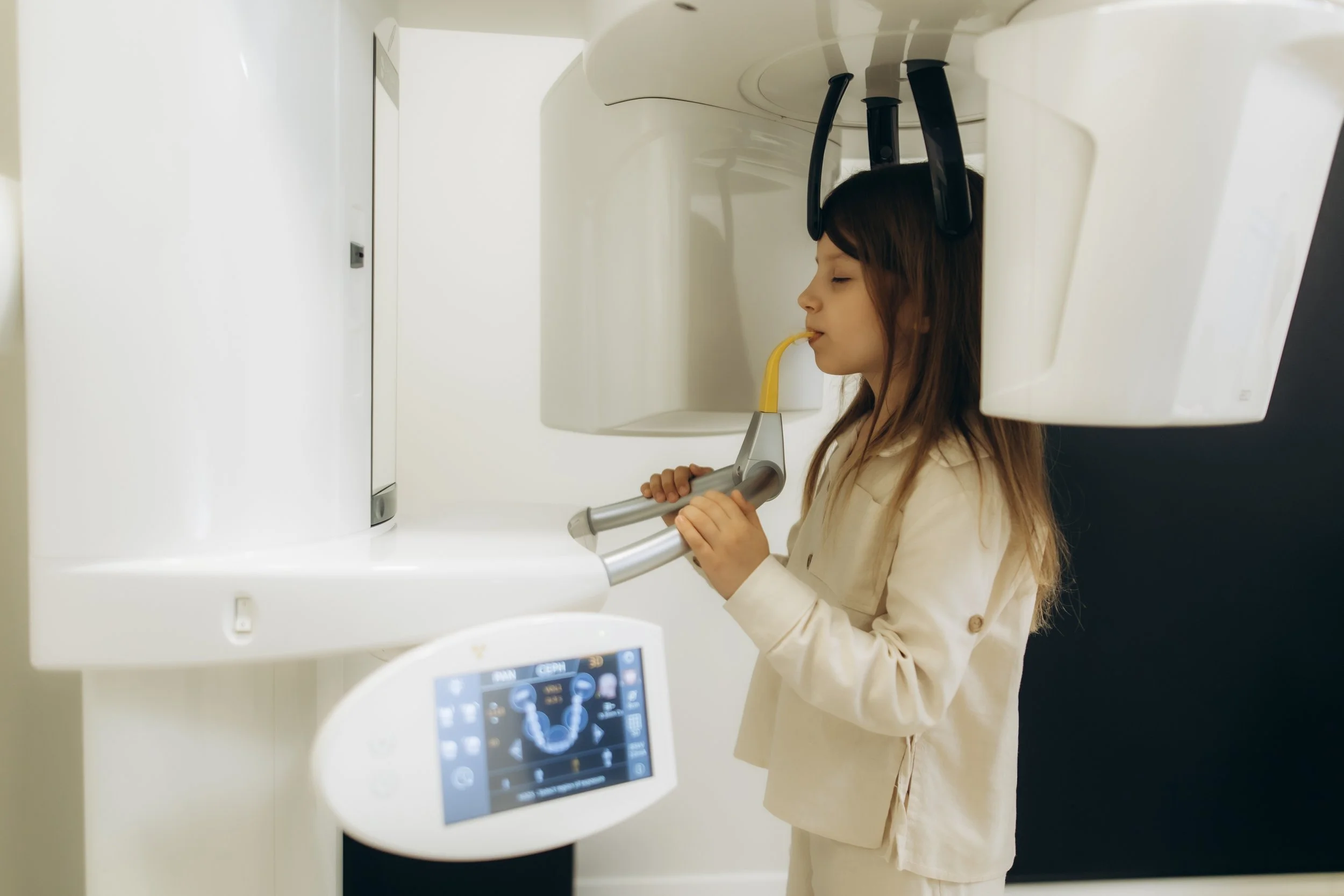
Tools
To gather the necessary information, we utilize multiple diagnostic tools. These can include CBCT scans, photographs, and physical models of your child’s mouth. This comprehensive approach allows us to accurately assess your child’s needs.
Treatment Planning
Once all diagnostic information is collected, we determine the most suitable treatment plan. While traditional orthodontics is effective for moving teeth and adjusting the jaws, it often does not address underlying muscle function or the root causes of imbalance. Our approach focuses on identifying and treating these foundational issues to promote optimal oral health.
Types of Appliances Used in Airway Orthodontics
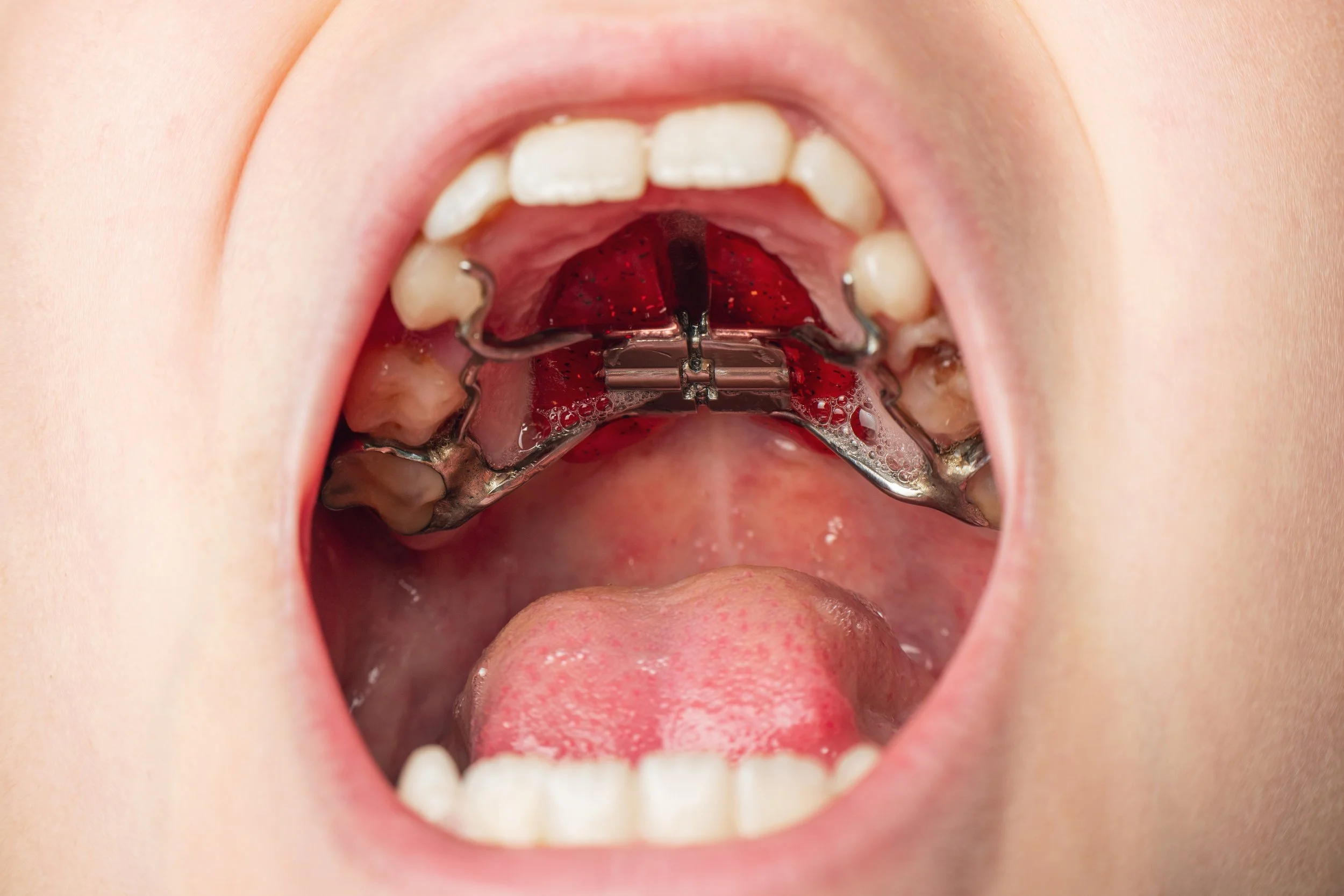
There are several appliances that may be used in airway orthodontic treatment. Depending on the specific needs of each child, the appliances can be either fixed or removable. Common options include the Schwarz appliance, Healthy Start, Myomuchee (for which we are certified), and the ALF appliance.
Choosing the Right Appliance
The selection of the appropriate appliance is guided by the individual needs of the child. Factors such as the severity of jaw underdevelopment, airway concerns, and overall oral health are considered when determining the best approach.
Adjunctive Therapies and Collaboration
Myofunctional therapy is highly recommended to accompany any orthodontic intervention, as it addresses muscle function that may contribute to airway issues. In addition to orthodontic treatment, collaboration with an ENT specialist or sleep physician may also be advised to ensure comprehensive care.

Benefits of Early Orthodontic Treatment
Early orthodontic intervention offers significant advantages for children due to the rapid pace of craniofacial development in the early years. By age 6, approximately 60% of craniofacial growth has occurred, and by age 8, this figure increases to about 90%. Addressing orthodontic concerns during this critical window can help reduce both the duration and complexity of treatment.
Primary Goals of Early Treatment
Minimizing the Risk of Breathing Disorders: Early intervention can help lower the likelihood of developing breathing-related issues by promoting better airway development.
Improving Breathing and Sleep Ability: Enhancing the structure and function of the airway supports healthier breathing patterns and can contribute to improved sleep quality.
Encouraging Natural Facial and Jaw Growth: Timely treatment guides the natural growth of facial bones and jaws, supporting balanced development and optimal oral health.
Reducing the Risk of Temporomandibular Disorders (TMD): Proper jaw alignment established early on can decrease the chances of TMD developing later in life.
Decreasing the Need for Aggressive Surgeries: Early orthodontic care may lessen the necessity for more invasive surgical procedures by correcting issues before they become severe.
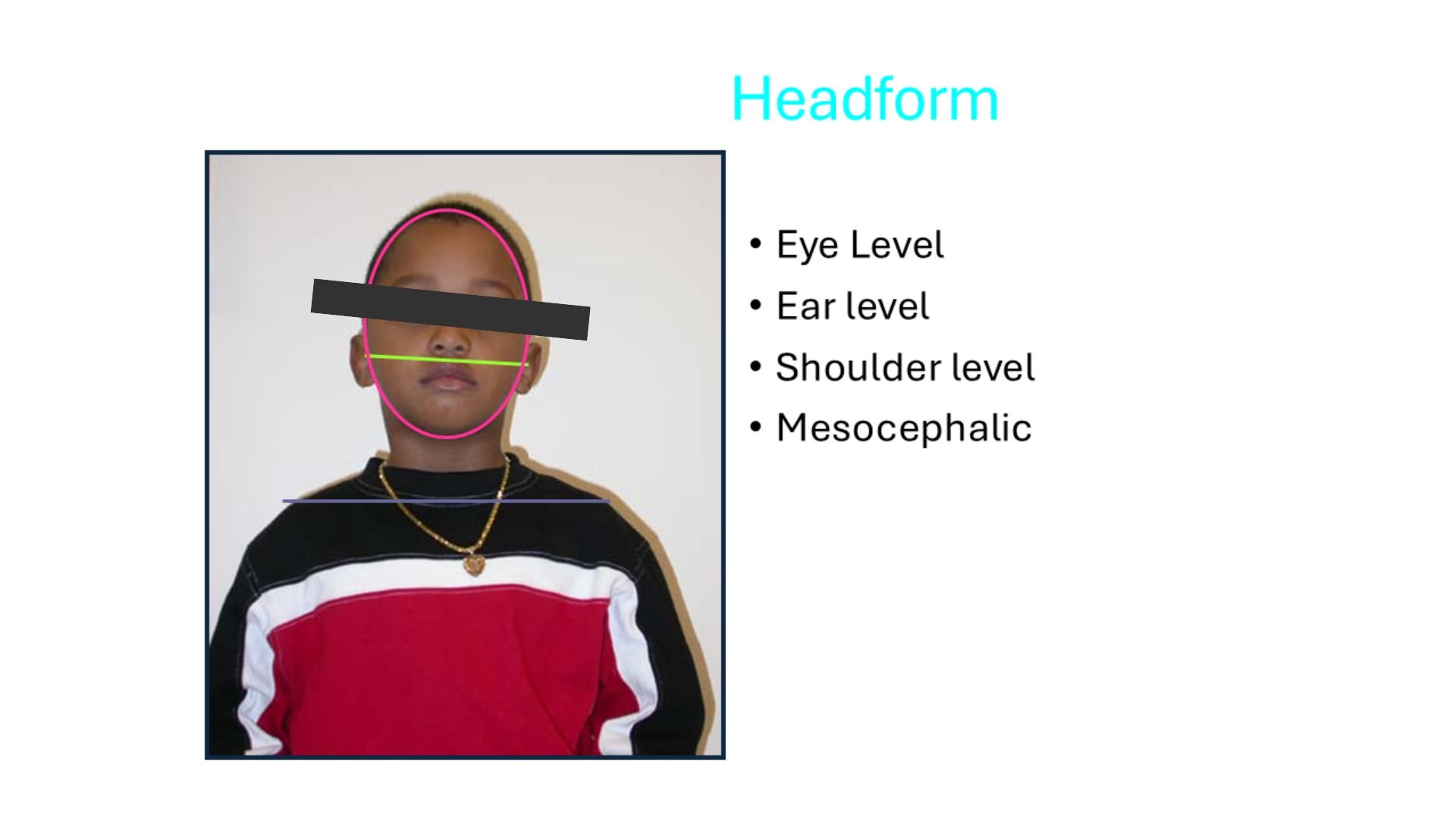
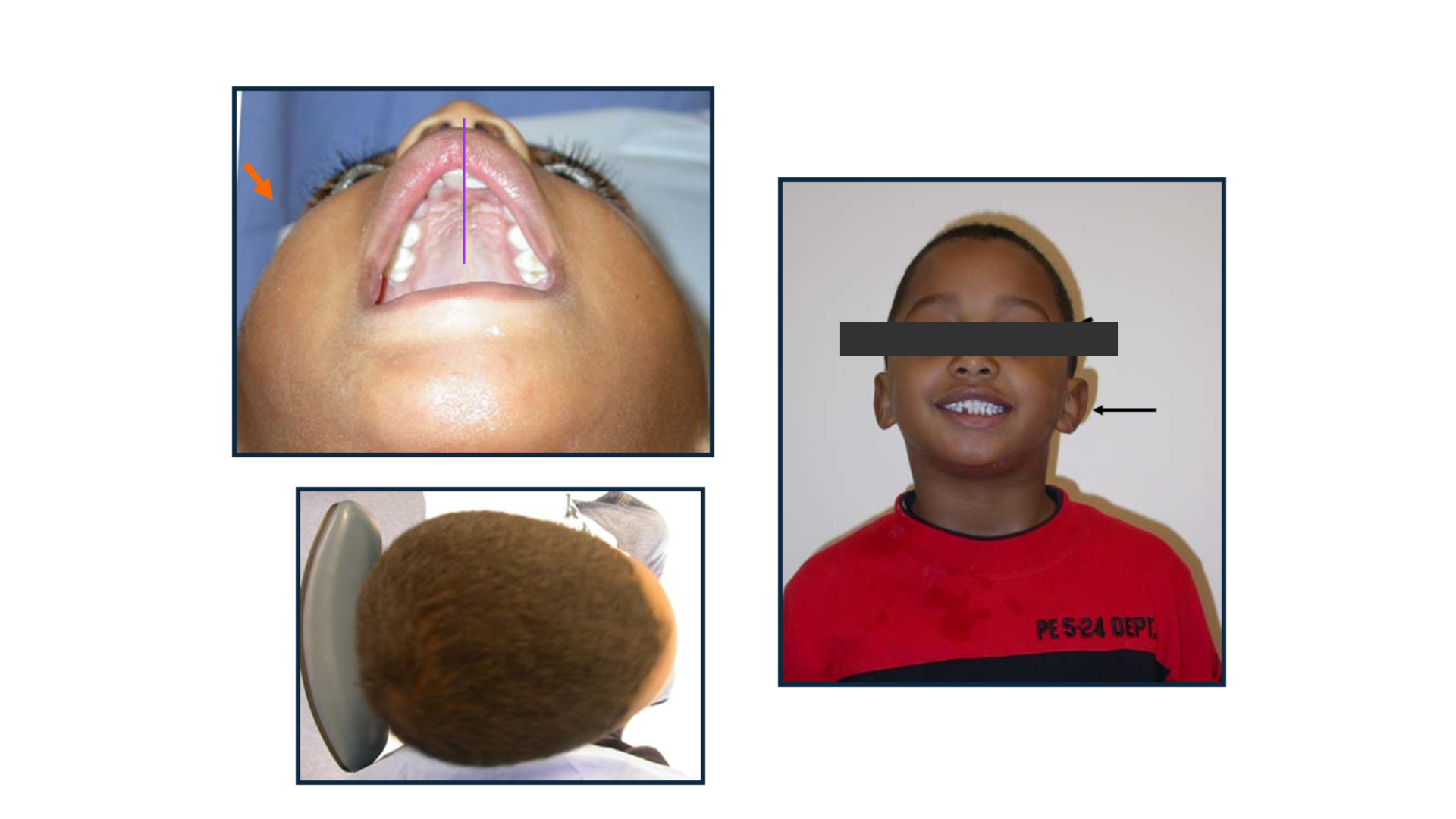
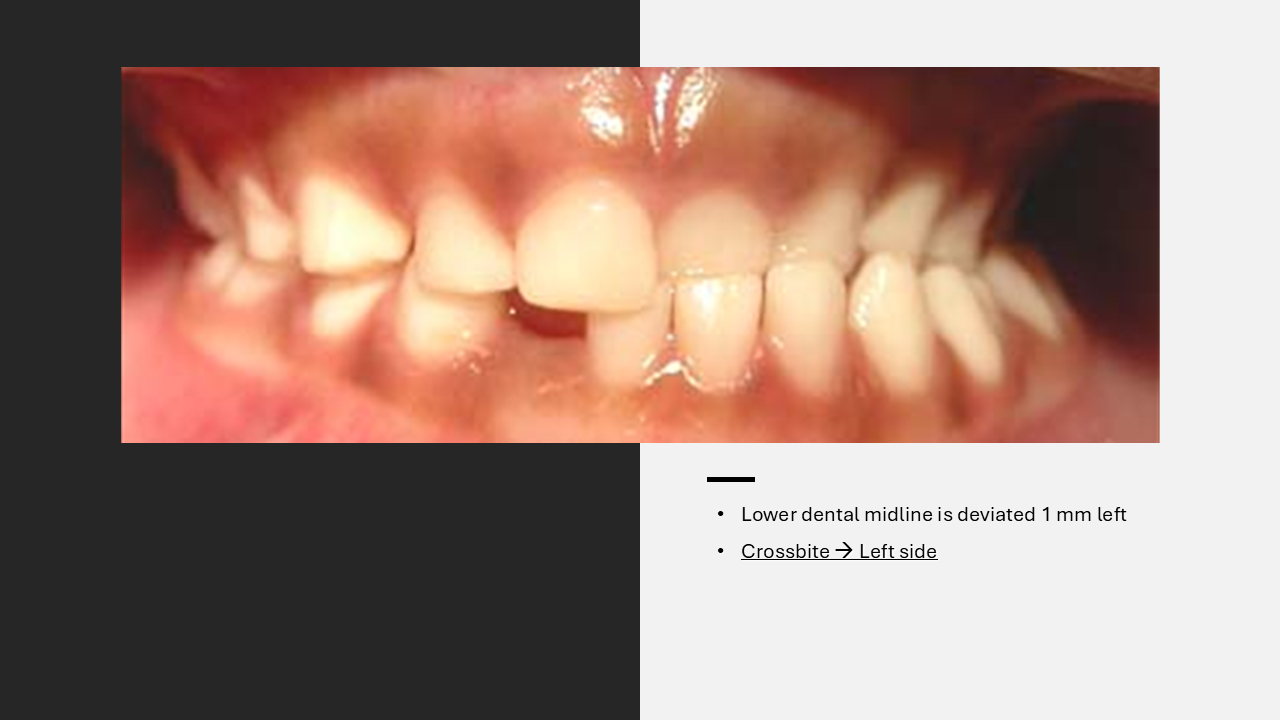
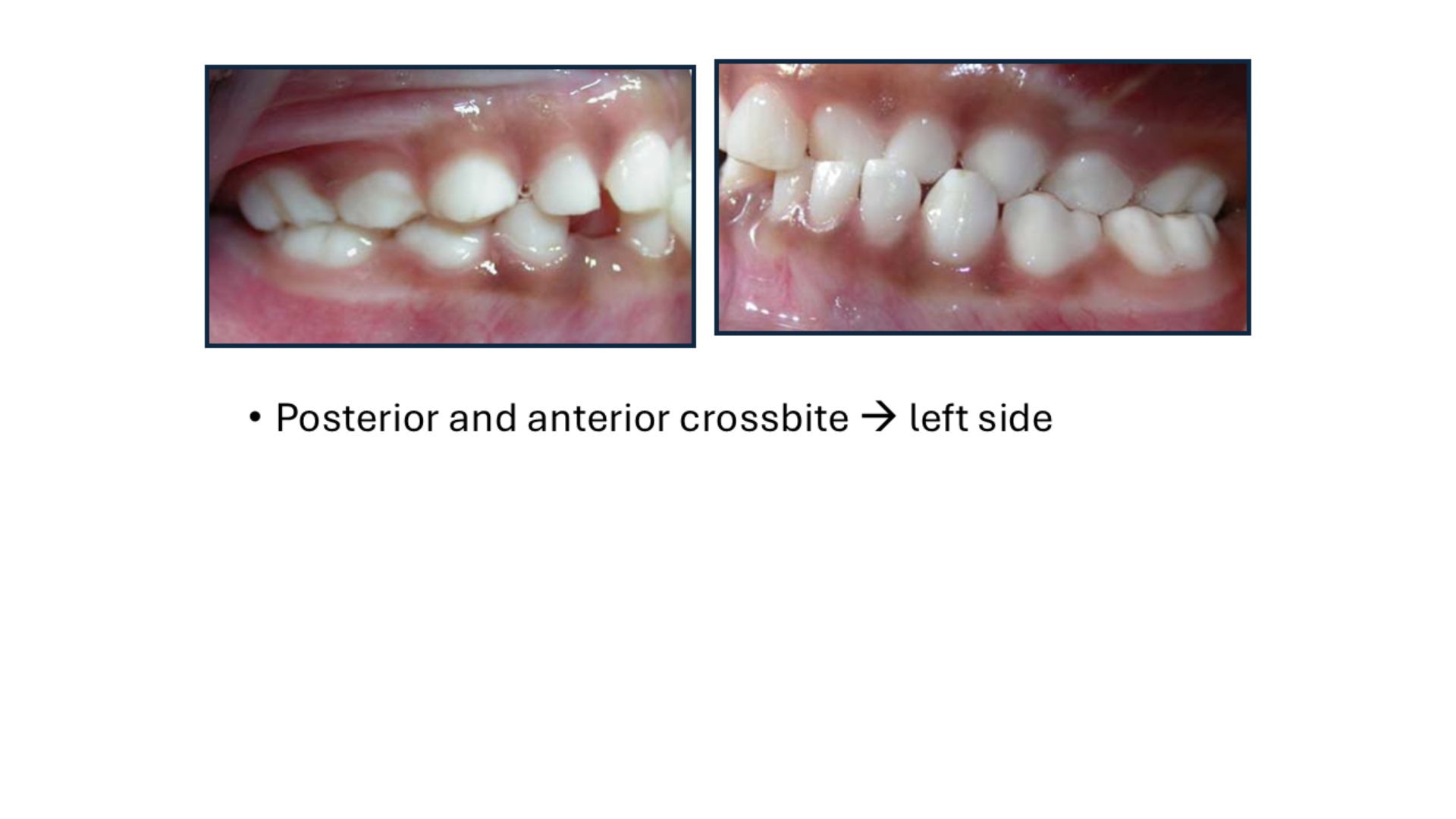
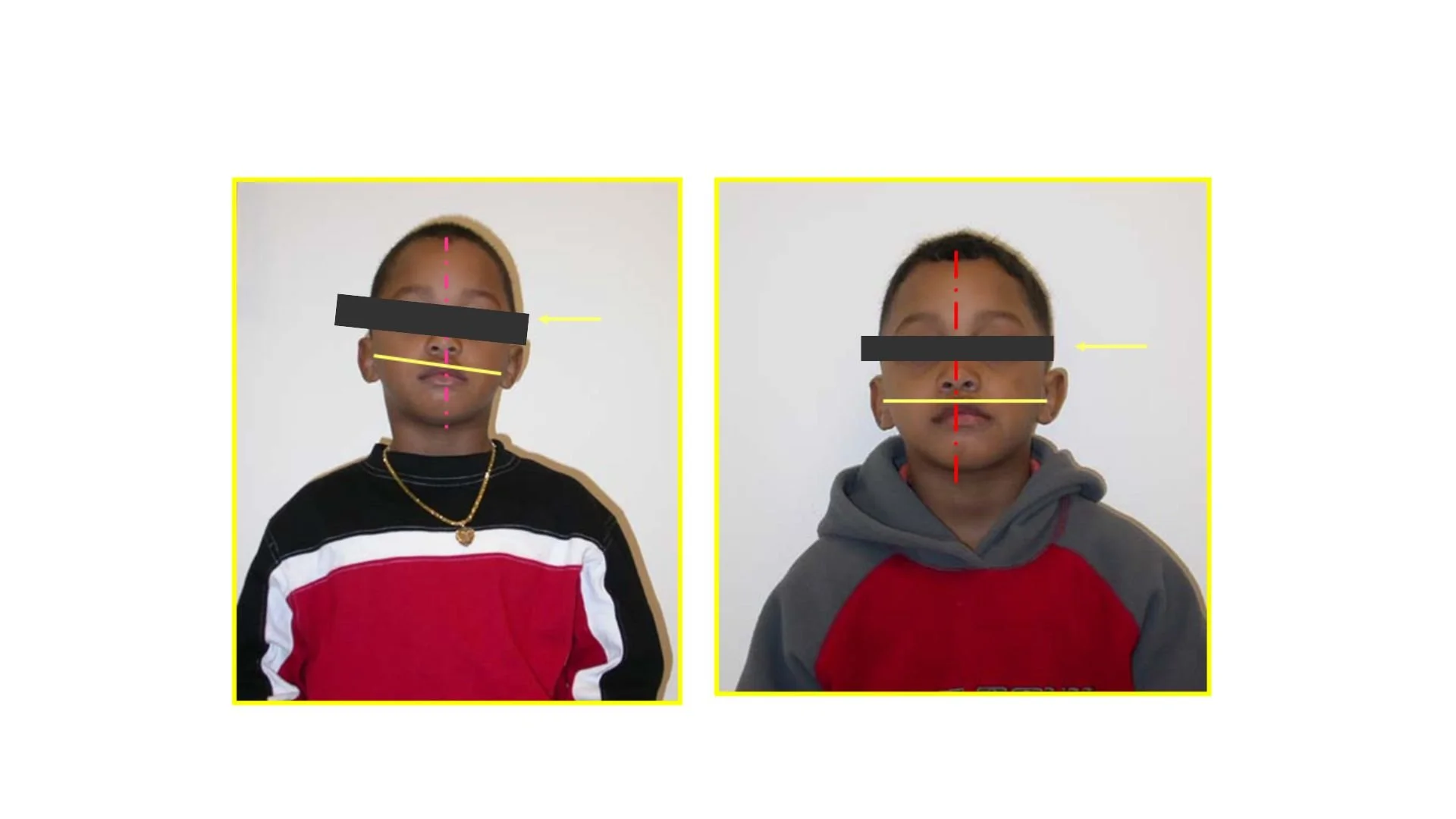
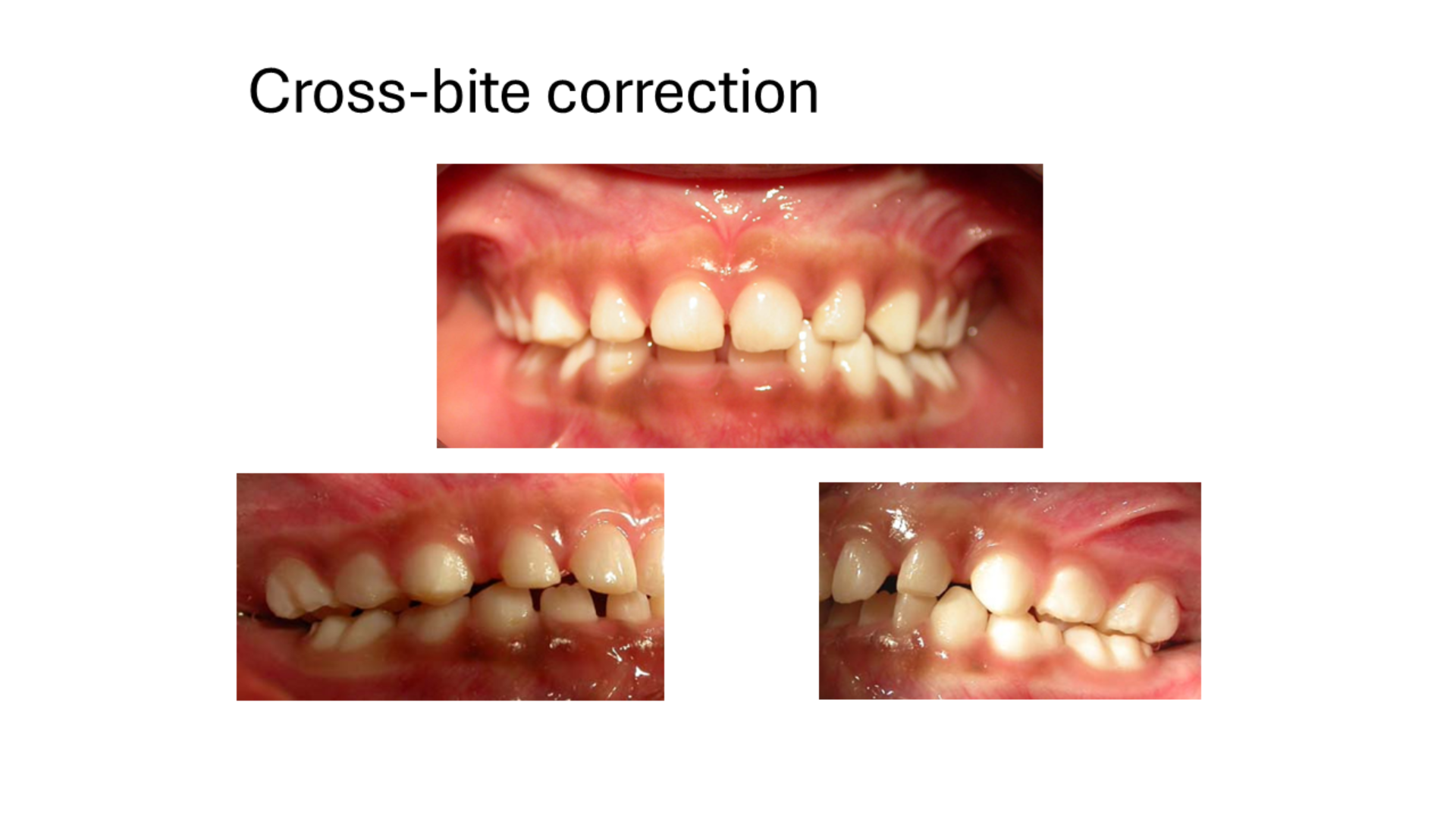
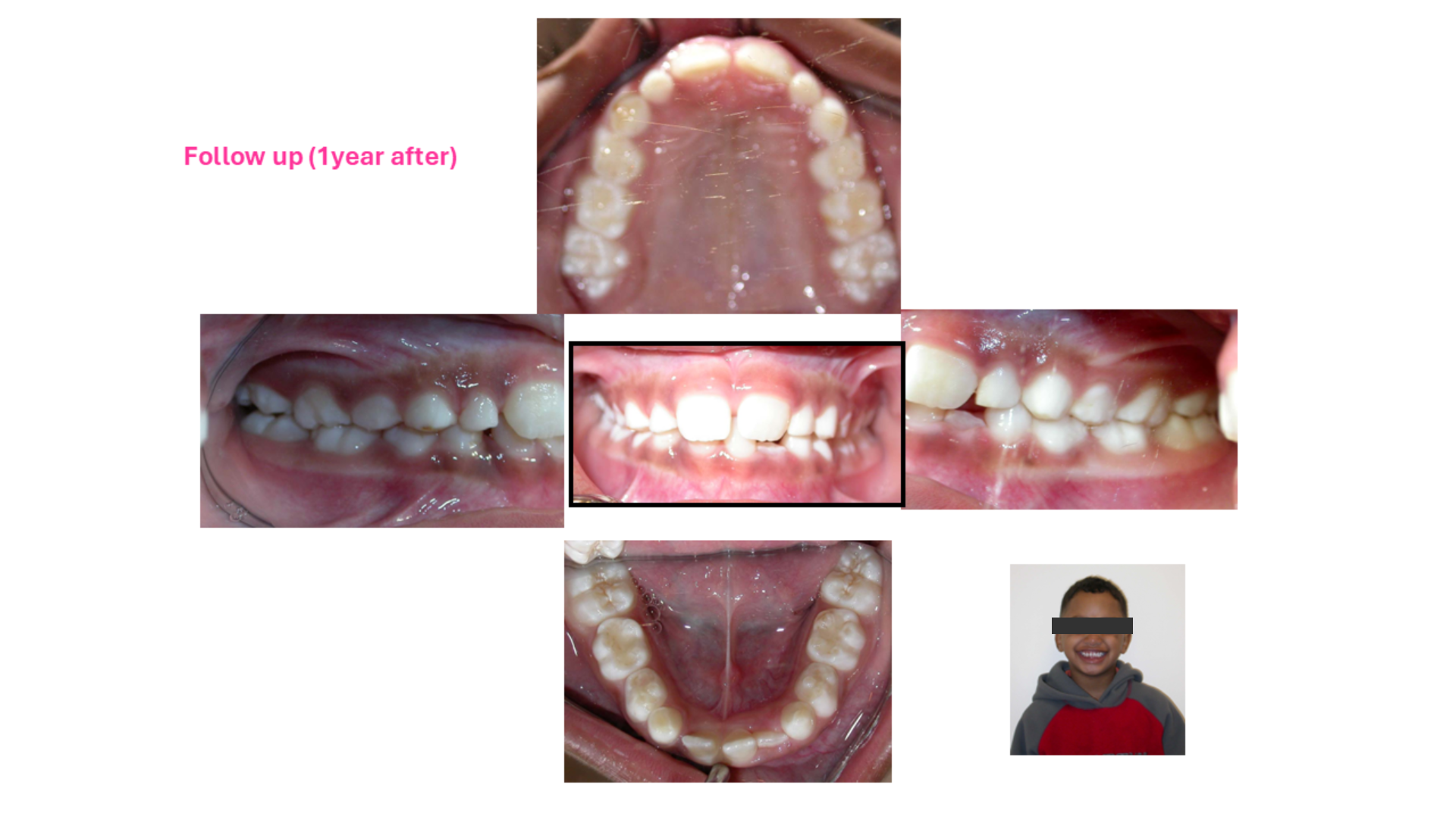
Below are real examples of how functional orthodontic treatment can transform both structure and function.
Does this sound like your child?
Has crowded or overlapping teeth at an early age
Has a narrow palate or crossbite
Breathes through their mouth instead of their nose
Snores or struggles with sleep quality
Has jaws that appear recessed or underdeveloped
Early, growth guided orthodontic care can support both dental development and airway health.