
Myofunctional Therapy
Pediatric myofunctional therapy helps children learn to use the muscles of the face, tongue, and mouth the way they were designed to work. Through guided exercises, children develop healthy breathing, swallowing, and oral habits that support proper growth, better sleep, and long-term stability.
What Is Myofunctional Therapy?
Myofunctional therapy is a gentle, exercise-based program that retrains the muscles of the mouth and face. These muscles play a critical role in:
Breathing
Swallowing
Chewing
Speaking
Facial and jaw development
By teaching proper tongue posture, nasal breathing, and coordinated muscle patterns, therapy helps restore healthy function where habits or anatomy may have disrupted it.
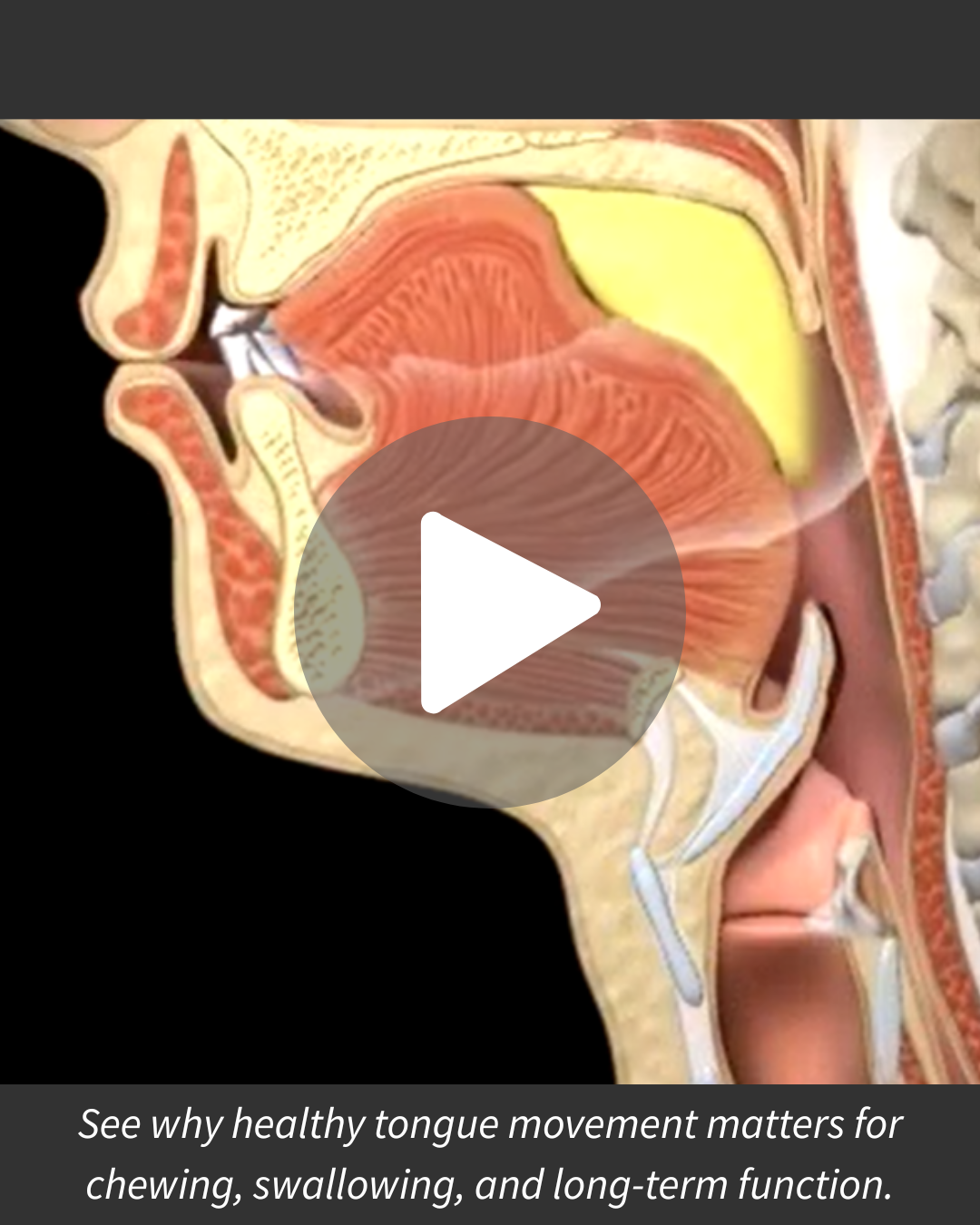
Why It Matters
When oral and facial muscles are weak, misplaced, or uncoordinated, they can contribute to problems such as:
Mouth breathing
Tongue thrust
Snoring or sleep-disordered breathing
Orthodontic relapse (teeth shifting after treatment)
Poor speech articulation
Difficulty chewing or swallowing
Correcting these patterns early supports airway health, dental development, and overall wellbeing.
What Therapy Looks Like
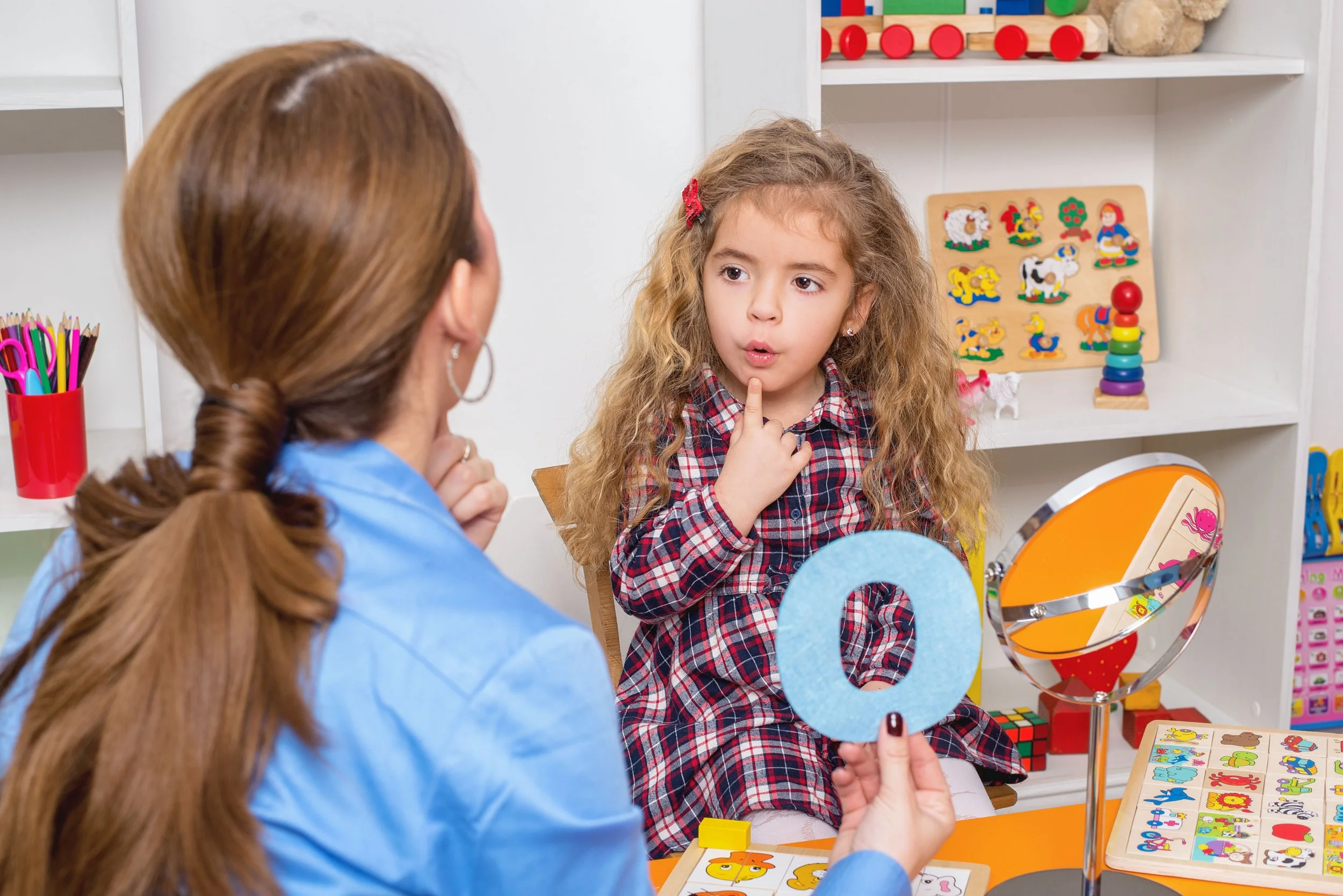
Each program is personalized to your child’s unique needs. A typical plan may include:
Breathing retraining to support consistent nasal breathing
Tongue posture exercises to guide the tongue to the roof of the mouth
Lip seal training to strengthen oral muscles
Swallow pattern correction to eliminate tongue thrust
Facial muscle strengthening through fun, targeted activities
Sessions are engaging, age-appropriate, and interactive. Children learn through games, repetition, and simple exercises they can also practice at home.
How It Works With Orthodontics
Myofunctional therapy is an essential partner to airway-focused orthodontic treatment.
Orthodontic appliances can guide jaw growth and create space — but if tongue posture, breathing patterns, or oral habits are not addressed, the teeth may shift back over time.
Myofunctional therapy:
Supports proper facial development
Helps maintain orthodontic results
Improves long-term stability
Enhances the outcomes of tongue tie releases (when needed)
Together, structural changes (orthodontics) and functional changes (myo) create lasting transformation.
Benefits of Myofunctional Therapy
Encourages consistent nasal breathing
Supports proper jaw and facial growth
Improves sleep quality and reduces snoring
Enhances chewing, swallowing, and speech
Reduces mouth breathing and tongue thrust
Promotes long-lasting orthodontic results
Helps children breathe better, sleep better, and feel better
Our Collaborative Approach
We work closely with ENT specialists, speech-language pathologists, pediatric dentists, and other healthcare professionals to ensure each child receives complete, coordinated care.
Our team looks at structure and function together, recognizing that true change happens when the muscles, airway, and developing jaws all work in harmony.
Does this sound like your child?
Keeps their mouth open at rest or struggles with nasal breathing
Has a low tongue position or tongue thrust
Experiences difficulty chewing or swallowing certain foods
Has speech concerns or unclear articulation
Uses a pacifier, thumb sucking, or other oral habits longer than expected
These patterns can impact breathing, feeding, speech, and oral development over time.