
Sleep Disordered Breathing (SDB)
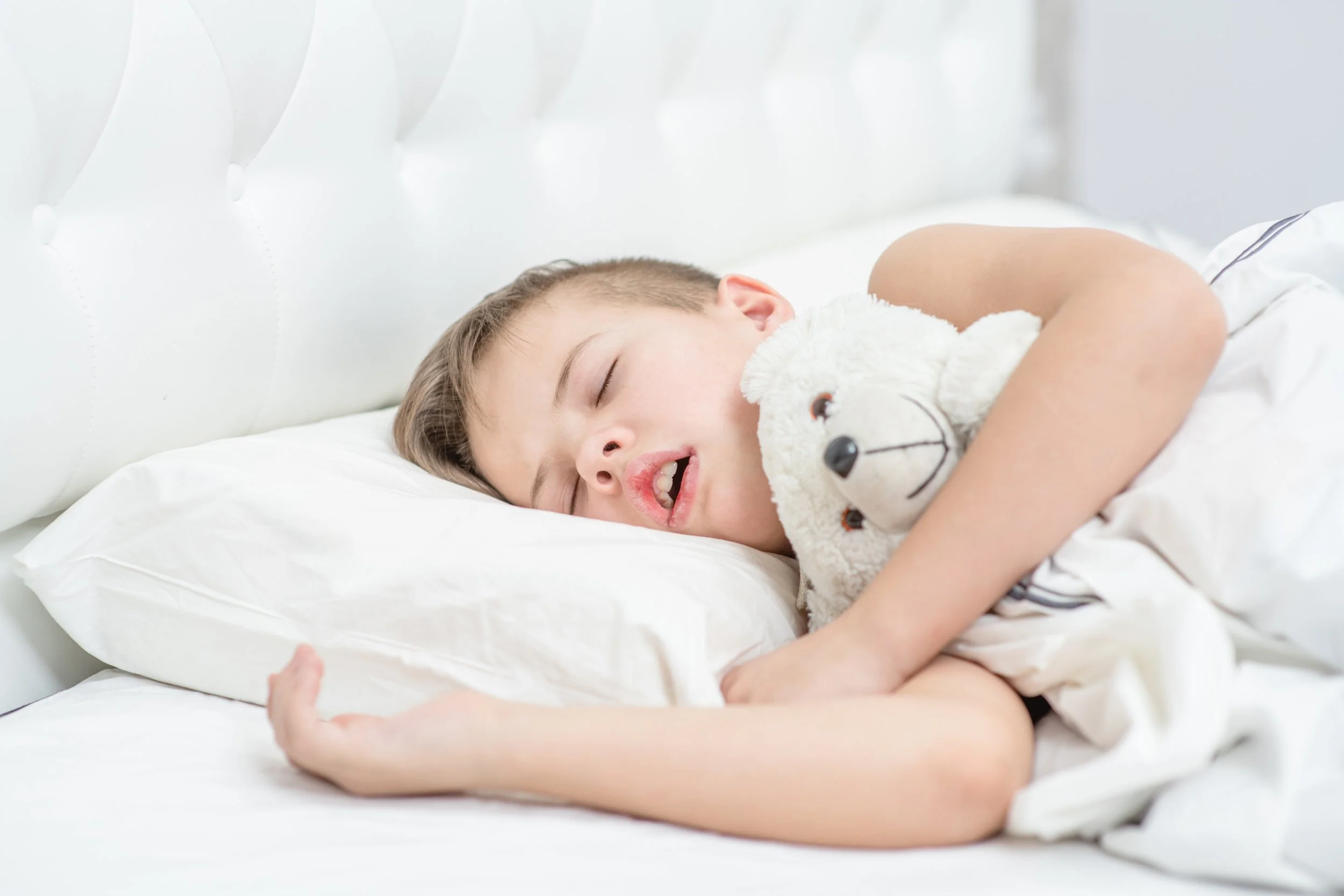
Sleep Disordered Breathing (SDB) refers to a condition where an individual experiences repeated episodes of partial or complete pauses in breathing throughout the night. This interruption in normal breathing patterns can have significant effects on both health and development, particularly in children.
Causes of Sleep Disordered Breathing
Small Airway: Anatomically narrow airways increase the likelihood of airway collapse during sleep, impeding proper airflow.
Improper Maxilla and Mandible Development: When the upper jaw (maxilla) and lower jaw (mandible) are not fully developed in a forward and wide direction, the dimensions of the airway are reduced, making breathing more difficult during sleep.
Crooked Teeth (Malocclusion): Inadequate space for the tongue inside the mouth due to misaligned teeth can affect tongue position, impacting how teeth are situated and potentially contributing to obstructive breathing. It is important to note that even individuals with straight teeth may still experience obstructive breathing issues.
Swollen Airway Tissues: Enlarged adenoids and tonsils, which are located in the back of the throat and nasal cavity, can obstruct the airway and lead to breathing difficulties.
Overweight: Obesity can lead to increased fat deposits in the soft tissue passages of the airway and a decrease in muscle tone, both of which contribute to airway obstruction during sleep.
Nasal Obstruction: Conditions such as a deviated septum, swollen nasal tissue, chronic sinus congestion, and allergies can block the nasal passages, forcing reliance on mouth breathing and increasing the risk of SDB.
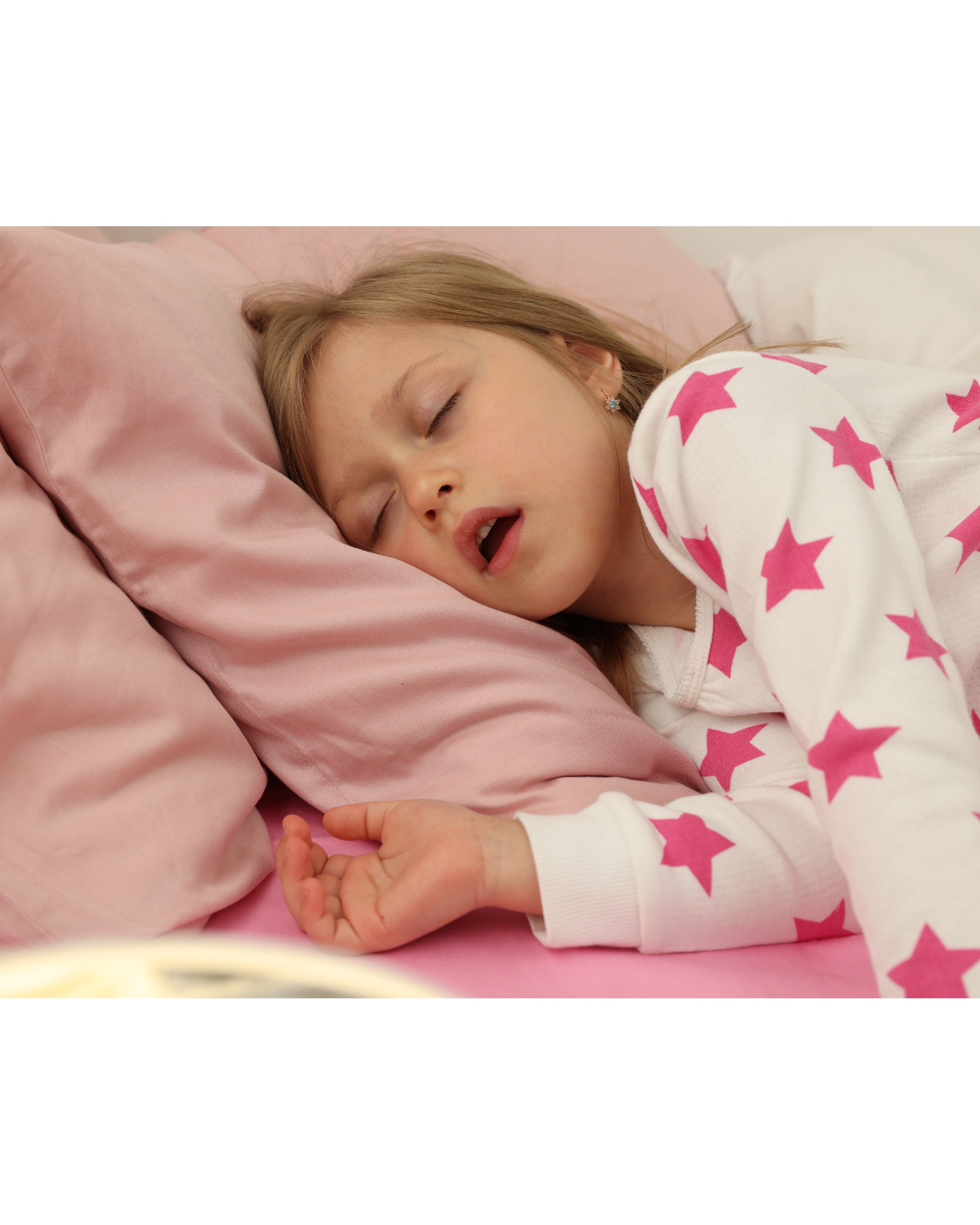
Common Symptoms of Sleep Disordered Breathing and Underdeveloped Jaws in Children
ADHD or hyperactivity
Frequent upper respiratory infections
Ear infections or the need for ear tubes
Bed wetting
Nightmares or night terrors
Poor academic performance
Clenching or grinding teeth
Snoring
Mouth breathing
Bad breath
Night sweats
Feeling unrefreshed in the morning or experiencing daytime sleepiness
Does this sound like your child?
Breathes through their mouth during the day or while sleeping
Snores, breathes loudly, or has restless sleep
Wakes frequently, sweats at night, or wets the bed beyond expected ages
Seems tired, irritable, or has difficulty focusing during the day
Has dark circles under the eyes or frequent congestion
If any of these feel familiar, your child’s airway and sleep quality may be playing a role.